
A Bullet Train Rewired Laos. The Backpackers Haven't Caught Up.

Laos is on pace for six million visitors this year, and the reason isn't a marketing campaign. It's a train. The China-Laos Railway crossed 800,000 cross-border passenger journeys in its first three years, cross-border trips are up nearly 33% year over year in early 2026, and a country that used to require a bone-rattling overnight bus from the Chinese border can now be reached from Kunming in a few smooth, air-conditioned hours.
That's the whole story, not a footnote for infrastructure nerds. Laos has spent two decades as Southeast Asia's slow, poor, overlooked cousin — the place backpackers passed through between Thailand and Vietnam. The railway didn't just add a transit option. It rerouted who shows up.
What Laos Actually Is Right Now
Landlocked, mountainous, still one of the least developed countries in the region by GDP — and, as of this year, sitting on a high-speed rail line to Kunming and the broader China–Singapore corridor. Five stations run through Lao territory: Boten at the border, Muang Xay, Luang Prabang, Vang Vieng, and the capital, Vientiane. Luang Prabang to Vientiane, a drive that used to eat most of a day on cratered mountain roads, is now two hours by train.
The tourism ministry is projecting 70% growth in international arrivals by 2029, with Chinese visitors alone expected to hit two million this year. That's the tension worth watching: fast, cheap access to the world's largest outbound tourism market, arriving almost overnight, and infrastructure built for backpackers on $15 a day now absorbing something completely different.
Luang Prabang
Still the reason to go. The UNESCO-protected peninsula where the Mekong meets the Nam Khan is stacked with more than thirty temples in a few square kilometers, the French colonial shophouses are still standing rather than restored into a theme park, and the monks still walk out at dawn for tak bat, the alms-giving procession that predates the tourist industry by centuries. Show up before 6 a.m., keep your distance, don't use flash — it's a religious practice, not a photo op, though it's been treated like one often enough that some monks have changed their routes.

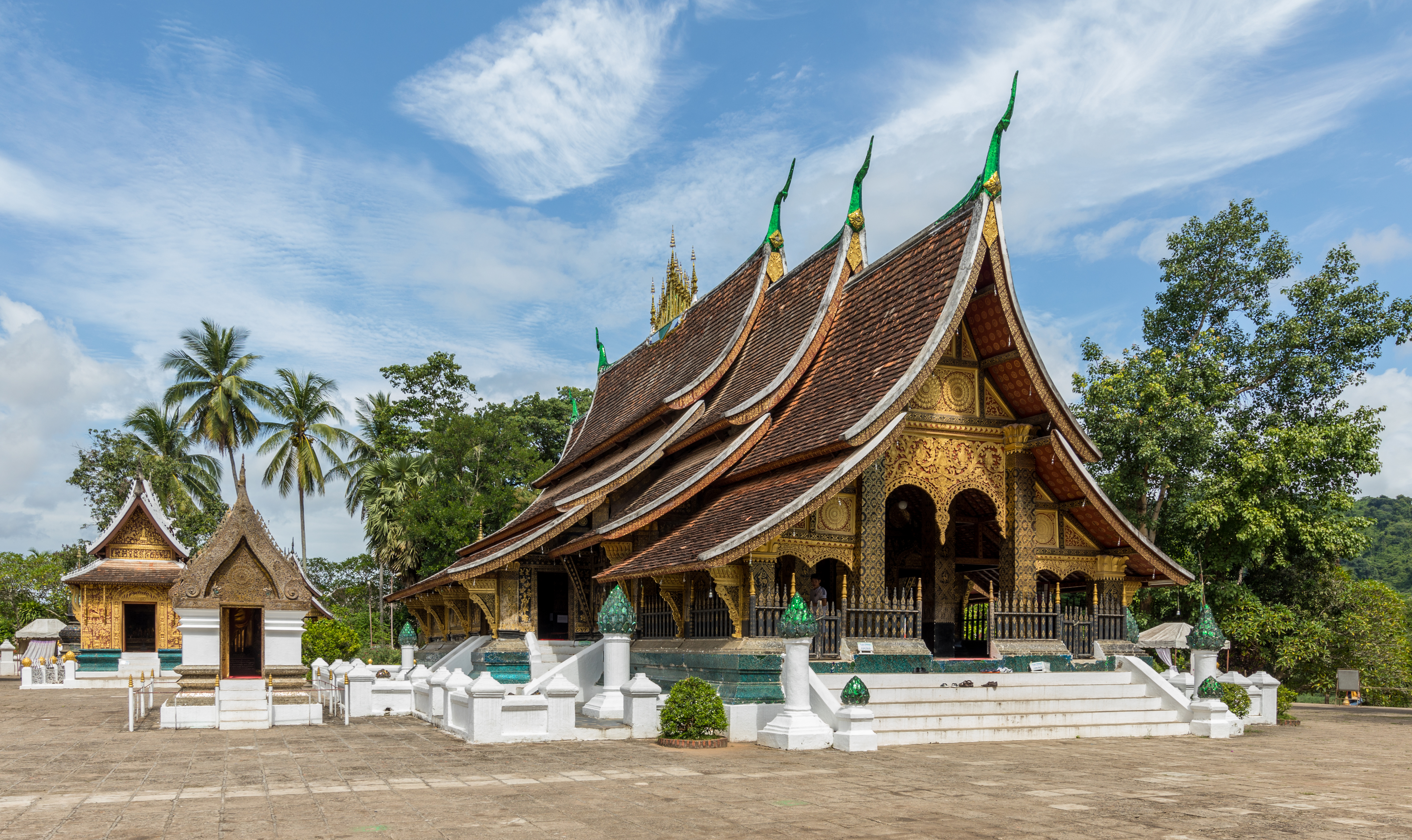
Wat Xieng Thong, on the northern tip of the peninsula, is the temple to prioritize if you only see one — built in 1560, with a roofline that sweeps almost to the ground and mosaic work on the rear wall depicting a giant tree of life. Formula B, on Sisavangvong Road, does the best coffee in town without overcharging for it — go in the morning, skip it for dinner. The night market still runs 5 to 11 p.m., but it's noticeably more crowded than two years ago, and more of the stalls now cater to short layovers between train connections than travelers settling in for a few days.
Vang Vieng
This is where the railway's effect is most visible. Vang Vieng used to be shorthand for reckless backpacker tubing and bucket-list hedonism — rope swings, whiskey buckets, a body count that forced a government crackdown in the early 2010s. The town spent a decade rebuilding a quieter identity around the karst landscape around it: caves, lagoons, the view from Nam Xay viewpoint. Since the railway opened, that quieter identity has been overtaken by something else again. Backpacker numbers here have roughly halved, replaced by Korean and Chinese tour groups who don't tube, don't drink at the riverside bars, and spend on boutique hotels and organized day trips instead of $2 bungalows. The old party bars along the Nam Song sit half-empty; tubing hasn't disappeared, but the town's rhythm has reorganized around a different customer.

Whether that's a loss depends on what you came for. If you wanted the 2012 version of Vang Vieng, it's gone, and it should probably stay gone. If you want karst scenery and a float down the Nam Song without stepping over unconscious 22-year-olds, this is the best the town has looked in fifteen years.
Vientiane
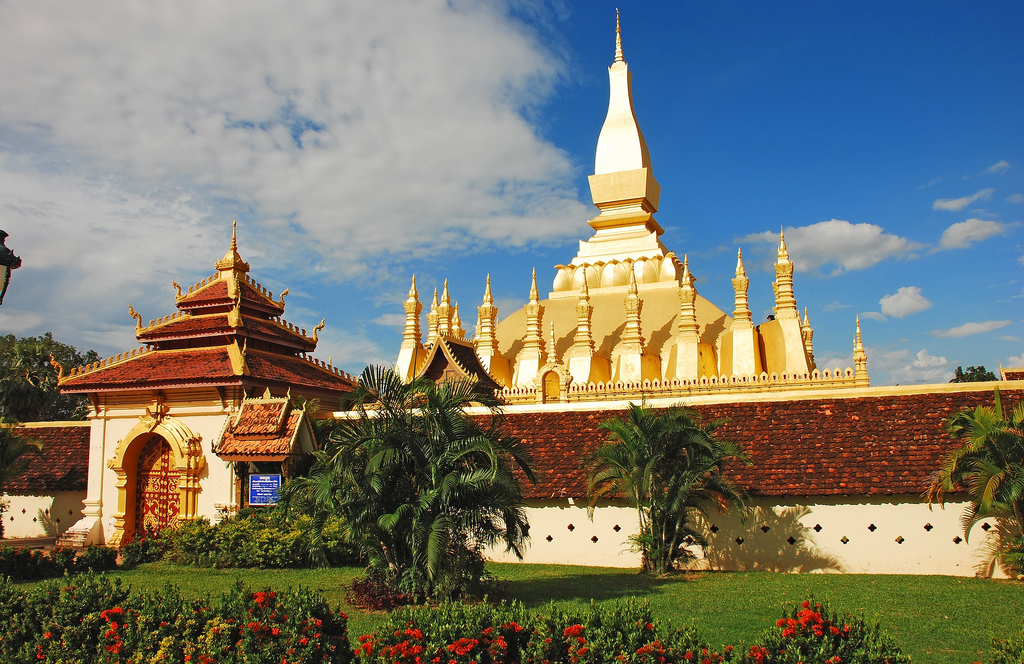
The most underrated capital in Southeast Asia, and still the least visited relative to its size. Pha That Luang, the gold stupa that functions as the national symbol, is worth the trip alone — less crowded than any equivalent monument in Bangkok or Hanoi, walkable at your own pace without a tour-group script. In the evenings, Mekong Riverside Park fills with the entire city: food stalls, an outdoor aerobics class running like clockwork at 5:30, a sunset over the river into Thailand that doesn't need embellishment.
For coffee, Le Trio roasts beans from the Bolaven Plateau without being precious about it. For dinner with a view, Bor Pen Nyang is a four-story riverside spot that shifts personality through the day — quiet café by afternoon, rooftop sunset scene by evening. Vientiane doesn't have Luang Prabang's density of attractions, and that's the point: it's a capital that still moves at a human pace.
Why Go Now
The window is specific and it's closing. The railway is three and a half years old — old enough to have proven itself, young enough that the tourism response hasn't fully caught up. Luang Prabang and Vientiane still function like the cities they were before the train, just easier to reach. Vang Vieng has already tipped into its next identity. Muang Xay, the other stop on the line, hasn't been discovered at all yet — and probably won't stay that way once the 2029 arrival targets start landing.
Go in 2026, and you're seeing a country in the middle of a transition, not after it. Go in 2029, and you're seeing whatever it turns into.
The Honest Caveat
Peak-season train tickets, especially December through February, sell out within minutes of release — install the LCR Ticket app and load your passport details before tickets go live, not after you land. Vang Vieng's shift from backpacker chaos to tour-group calm is a genuine improvement for safety and the landscape, but if you're chasing the town's old reputation, it isn't there anymore. And Laos's tourism infrastructure — guesthouses, English-speaking guides, ATMs outside the three major cities — is still built for far fewer visitors than the railway is now delivering. The trains are fast. Everything else is catching up.
I did the research. I haven't been. Go find out what I missed.