
Guimarães Has Been Portugal's Birthplace for 800 Years. The World Just Noticed.

The European Commission named Guimarães European Green Capital for 2026. National Geographic put it on their Best of the World list. The BBC listed it as one of their top destinations for the year. All in the same twelve months. The question worth asking: why is every major travel institution pointing at the same small city in northern Portugal right now?
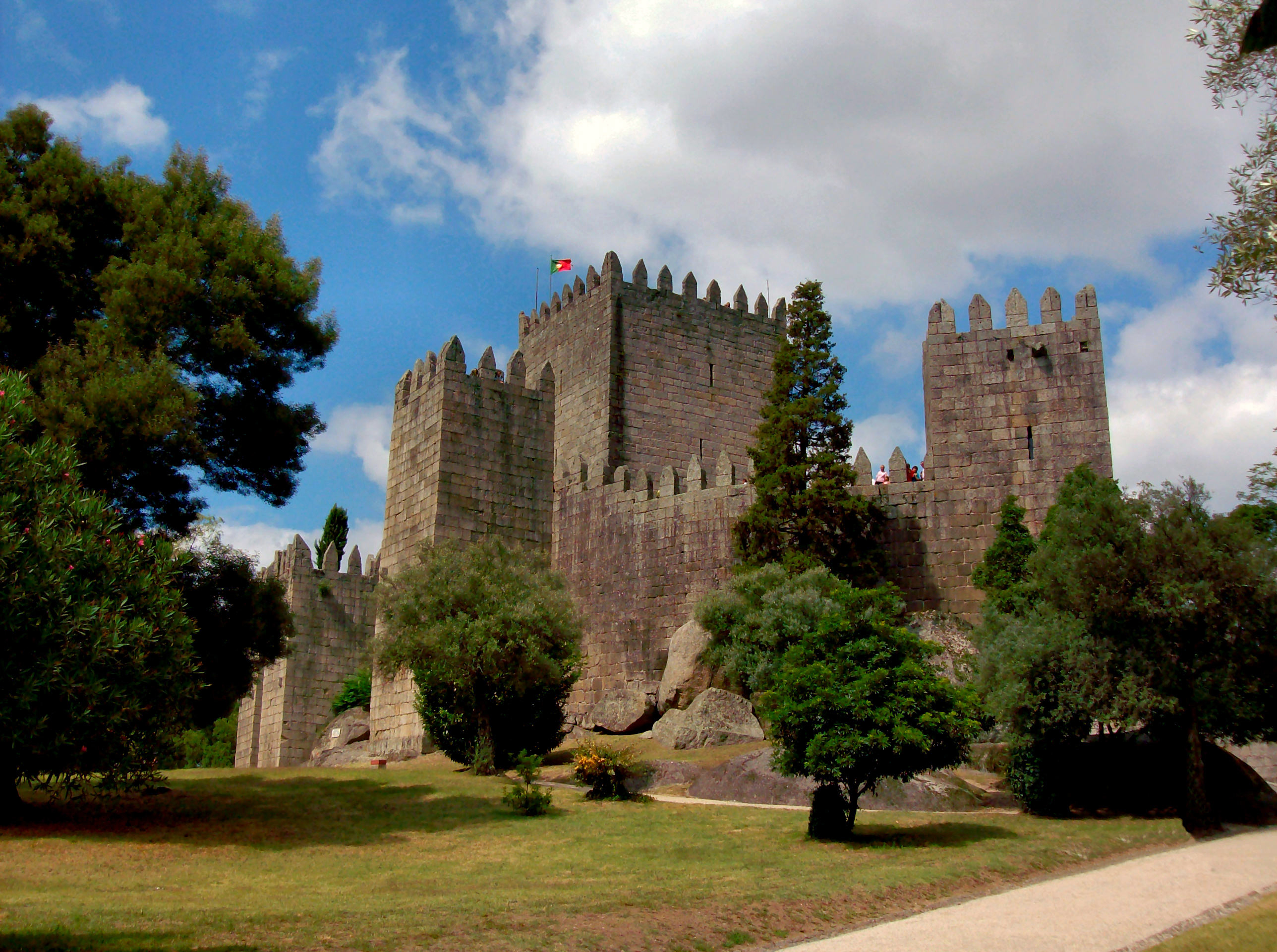
Part of the answer is institutional momentum — once one publication notices, others follow. But part of it is that Guimarães has been genuinely, baffingly undervalued relative to what it actually is. This is the city where Portugal was founded. Afonso Henriques was born here in the 12th century, rallied a force against the Moorish Kingdom of Galicia-León, and declared a nation. A plaque on the castle wall reads: Aqui nasceu Portugal. "Here was born Portugal."
The rest of the world took about 800 years to show up.
Getting there
From Porto, Guimarães is 50 minutes by direct train from Campanhã station. The round trip costs roughly €4. You arrive in Guimarães Centro, walk 10 minutes, and you're at the castle. It's one of the easiest side trips in Portugal, which makes it somewhat surprising that most people haven't made it.
What you'll actually find
The old town covers maybe 20 minutes on foot. It's UNESCO World Heritage-listed since 2001, but it doesn't feel preserved in amber — a large university keeps it young, and the streets fill up with students who treat the medieval plazas as their neighborhood, not a backdrop. That's a meaningful difference from cities that have been Airbnb'd into being performances of themselves.
Four things worth your time
Castelo de Guimarães. The castle dates to the 10th century, built by a countess named Mumadona Dias to defend a monastery against Viking and Moorish raids. It has eight towers, thick walls, and a central keep you can climb for unobstructed views of the city and the green hills rolling out beyond it. Book tickets in advance — the line hits 40 minutes by 11am on weekends.

Largo da Oliveira. Two minutes from the castle: a medieval square with Gothic arches framing the Padrão do Salado monument, built in 1340 to commemorate a Portuguese military victory. Morning is quieter here; arrive before 9am and you'll have it mostly to yourself with a coffee. By noon, the tour groups from Porto fill the outdoor tables. The square is worth seeing both ways.
A Cozinha por António Loureiro. Michelin-recommended, which in Portugal means reliably excellent rather than pretentious. The lunch menu is the reason to come: creative takes on Portuguese classics, good value, served in a room that feels like it belongs to the city rather than to a restaurant group. This is what the vinho verde pairing is for. Reserve ahead.
Penha Mountain. A cable car from the city's eastern edge runs up to a 613-meter granite peak. The views on clear days stretch past the Minho countryside to the Atlantic. The summit is threaded with trails through oak forests and enormous boulders, some the size of houses. Go in the late afternoon when the light turns the granite orange. The cable car takes about 10 minutes and runs regularly until evening.
Why go this year
The European Green Capital designation has pushed investment into Guimarães's walkability, cycling infrastructure, and green corridors. That's useful for visitors without being obvious about it — the streets are clean, the signage works, and there's no sense of the city being overwhelmed by its own popularity. Yet.
That "yet" matters. Porto was this accessible and affordable eight years ago. Then the apartments converted to short-term rentals, the craft cocktail bars arrived, the queue outside the Igreja de São Francisco became a permanent fixture, and the city became a great place to visit with the patina of something that used to be better. Guimarães isn't there yet. The local bars in Praça de São Tiago still charge local prices for vinho verde. The crowds thin out by evening.
The Porto-to-Guimarães train costing €4 round trip will not remain a secret indefinitely.
The caveat
You can see Guimarães in a single committed day. The old town is compact, the major sites are walkable, and if you start early you'll have covered the castle, both medieval squares, and lunch by mid-afternoon. Many people do exactly that.
They're missing the better half of the city.
After 6pm, when the day-trippers head back to Porto, the character of the place changes. The squares quiet down. The local bars in the old town fill up with students and residents. The medieval architecture gets lit from below. The city stops performing and starts being itself. That version of Guimarães is worth the cost of one night's accommodation, which — another thing that hasn't arrived yet — remains reasonable.
Go before that changes too.